
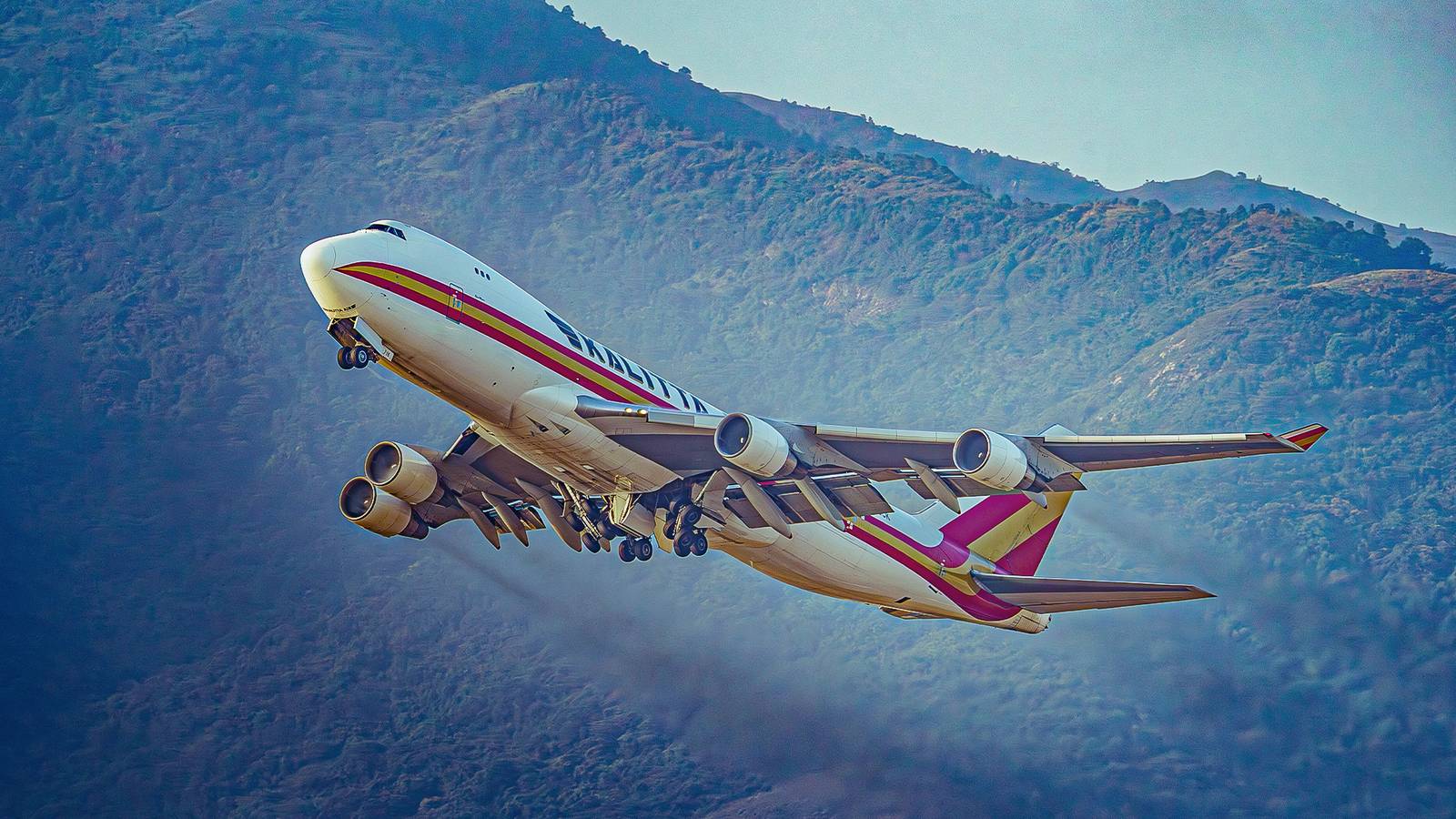
As the nation where man first took flight under mechanical power, the US remains a world leader in the global aerospace market. The iconic planemaker  Boeing continues to reign as one of the two great juggernauts in the world of aircraft building. Its legacy and continued prominence at the forefront of commercial airliner construction have yielded some of the most famous jetliners in history, like the 707, 737, and 747 “jumbo jet.”
It has also produced some of the most expensive airplanes ever made. In this review, we will go down the list of the seven most expensive airliners ever made in America. One thing they all have in common? Each and every one of them rolled off a Boeing assembly line.
7
Boeing 787-10 Dreamliner
$340 million

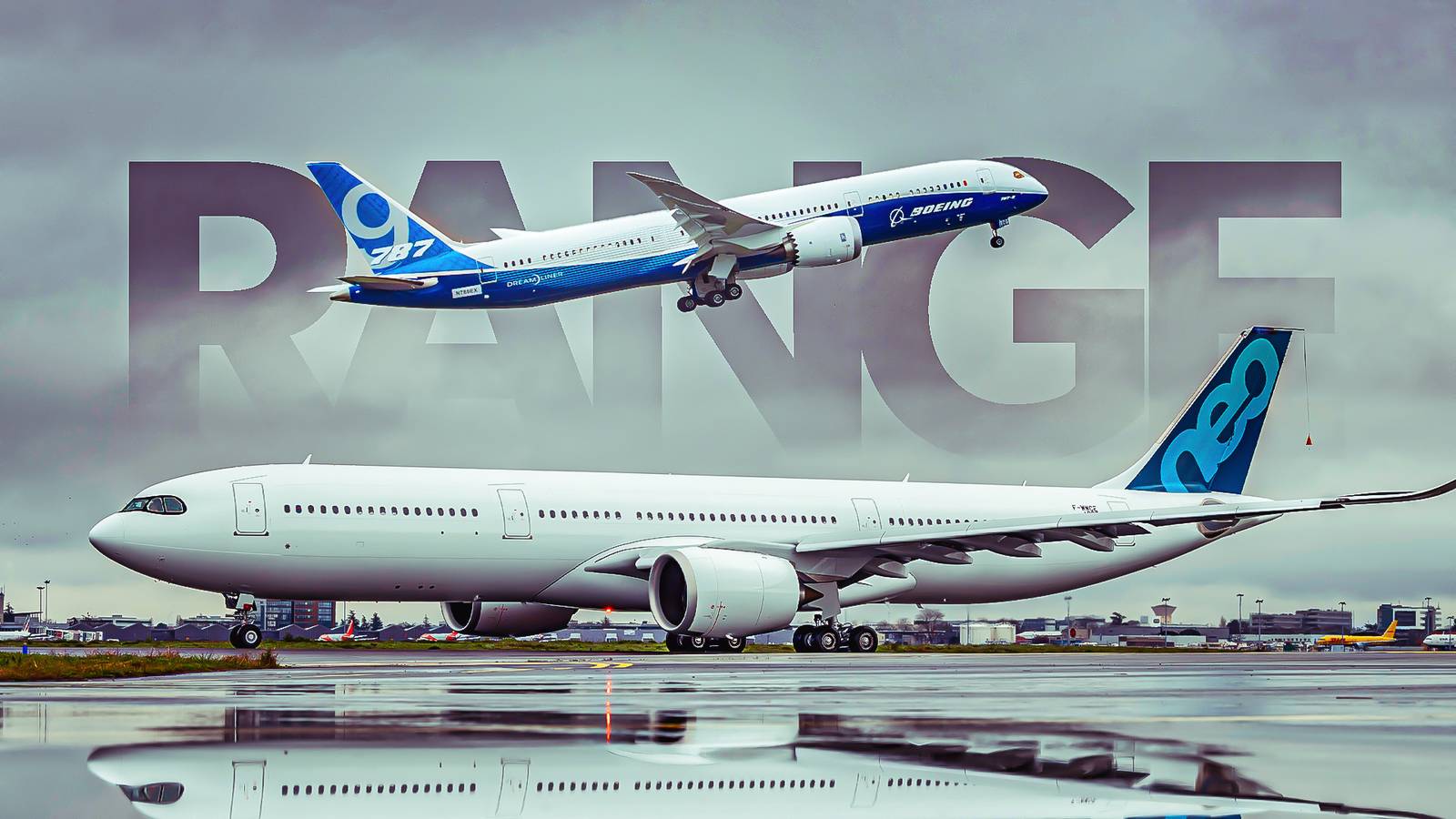
The largest member of the Dreamliner family utilizes a carbon-composite fuselage to achieve 25% better fuel efficiency than previous aircraft while offering a pressurized cabin that reduces passenger fatigue on high-density, medium-to-long-haul routes. The 787 is the first commercial airliner with an airframe composed of 50% carbon-fiber-reinforced polymers (CFRP). These exotic materials are significantly lighter and more durable than traditional aluminum and are more expensive.
The total development and manufacturing cost for the 787 program reached tens of billions of dollars, estimated at five times the initial budget. To recoup these massive costs, Boeing must maintain a high unit price, even as production is centralized to a single facility in North Charleston to manage logistical expenses.
The 787-10 is powered by next-generation General Electric GEnx-1B or Rolls-Royce Trent 1000 engines, which grant a 25% reduction in fuel use compared to previous generations. These high-bypass turbofans alone account for a major portion of the total aircraft cost, in the tens of millions each. Even a private use, “green” (empty) airframe costs roughly $239 million to $248 million, but a completed BBJ 787-10 with custom luxury interiors easily reaches $300 to $350 million.
6
Boeing 777-200LR
$345 million

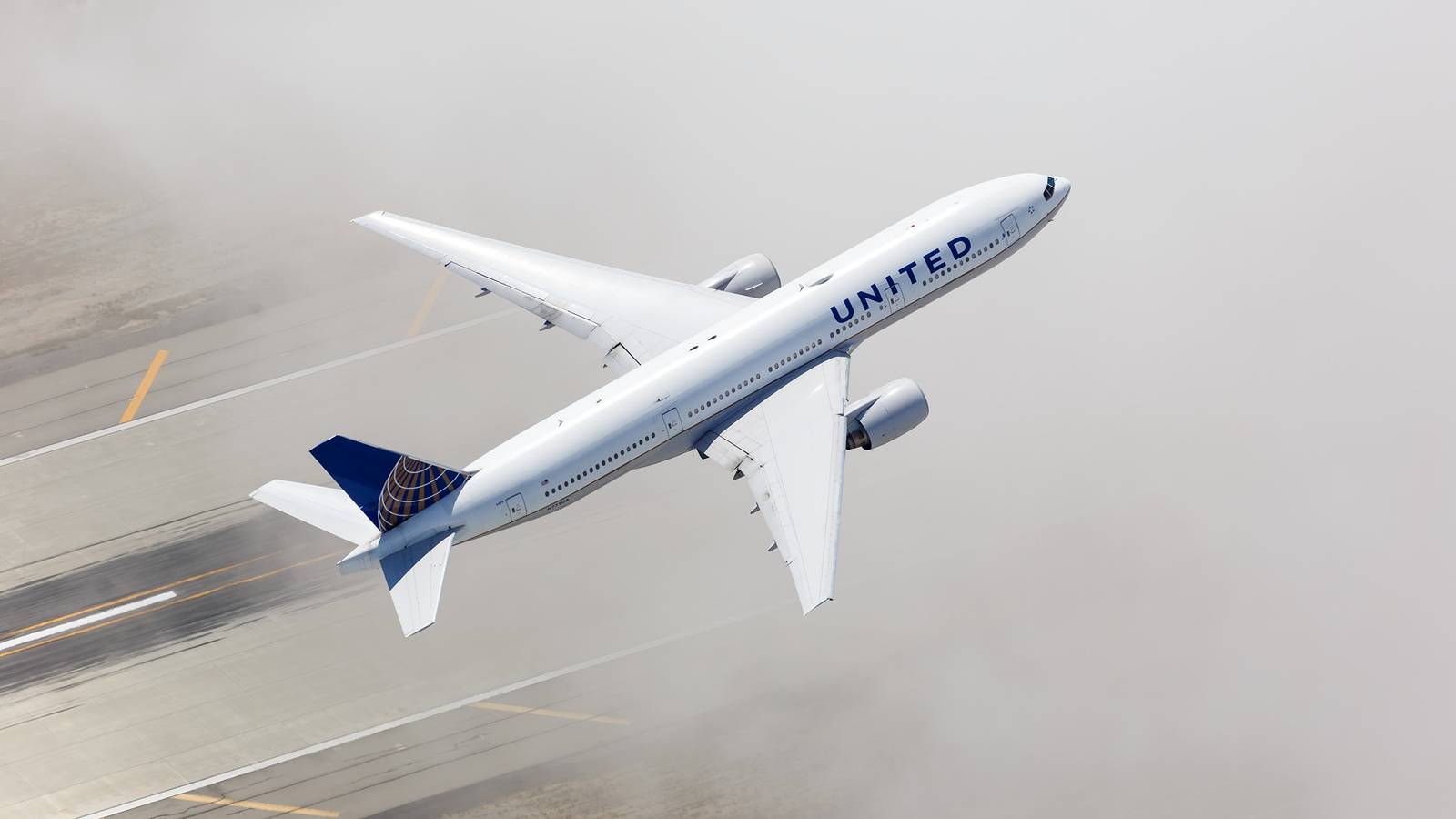
The unique and rare Boeing 777-200LR continues to hold world records for endurance. Its historic 11,664-nautical-mile nonstop flight effectively demonstrated its “Worldliner” performance before it even entered full-rate production. It is powered by two GE90-115BL engines, the same engines used on the larger 777-300ER, among the most powerful in existence, with each unit costing roughly $40 million to $45 million.
To achieve its extreme range, the aircraft features three optional auxiliary fuel tanks in the rear cargo hold. When fully loaded, it can carry over 52,000 gallons of fuel, which accounts for nearly half of its maximum takeoff weight of 766,000 lbs. To handle the stresses of ultra-long-haul flight and the weight of extra fuel, the -200LR utilizes the same strengthened wings and landing gear as the larger 777-300ER, giving it a higher performance ceiling than the standard -200ER model.
It was produced in small numbers (only 61 units) compared to other variants. Boeing did not benefit from the same economies of scale as the -300ER, pushing the per-unit manufacturing price high. Despite its tall up-front cost, the airframe is highly prized in 2025 for VIP and government conversions. A fully outfitted BBJ (Boeing Business Jet) version of a 777-200LR can supposedly be priced over $400 million.

Why The Boeing 777X Will Evolve Long-Haul Flying
The aircraft features many new innovations from the older generation 777s.
5
Boeing 777F
$350 million

This dedicated 777 cargo variant is the world’s most capable twin-engine freighter, capable of hauling 102 tons of payload with a range that allows it to fly transoceanic routes more profitably than its quadjet competitors. Its specialized design gives it a range of 4,970 nautical miles with a full payload, eliminating the need for many expensive and time-consuming refueling stops on major transoceanic and transcontinental routes.
The aircraft is powered by two GE90-110B engines, each generating more than 110,000 lbs of thrust. These high-performance engines account for a significant portion of the total airframe cost. By utilizing two engines instead of the four found on older 747 freighters, the 777F offers approximately 30% lower fuel consumption.
Its efficient fuel consumption is a major advantage that helps offset its high acquisition cost for carriers like FedEx and Emirates. Boeing has stated that each sale of a 777F supports approximately $440 million in total US export trade value. As the planemaker retools for the next-generation 777-8F, the current 777F remains the only large widebody freighter still in active production.
4
Boeing 777-300ER
$375 million

The list price of the 777-300ERis approximately $375 million. Despite the high cost, it is one of the most popular long-range twinjets and one of the most successful and dependable long-haul twin-engine aircraft ever produced. It is valued for its 99.5% dispatch reliability rate, which means it hardly ever misses a planned flight due to mechanical issues. It has the GE90-115B engine.
Designed as a “747 killer,” the 777-300ER has a huge 7,370 nautical-mile range, a large passenger capacity, and only two engines rather than four, significantly lowering fuel and maintenance costs for carriers. Its engines, which cost between $35 million and $45 million each and were the most powerful in the world when they were first introduced, account for a sizable amount of the cost.
With over 830 units delivered, it is the best-selling variant of the 777 family, allowing Boeing to maintain a high price point based on its established dominant position in global long-haul fleets. As Boeing officially concluded production of the 777-300ER in late 2024 to focus on the 777X, the final new airframes available in 2025 represent the peak of two decades of refined engineering and high-value “end of line” manufacturing.

The Aircraft Set To Replace The World’s Largest Commercial Jet
A new era dawns as the iconic superjumbo bows out, but which aircraft will claim the throne?
3
Boeing 747-8 Intercontinental
$420 million

The 747, specifically the final iteration, had a final official list price of $418 million before production of the Intercontinental (747-8I) variant ended in 2017. Making the grace and majesty of the “Queen of the Skies” was both an undertaking of engineering complexity and sheer scale. The production of the 747 spanned more than 54 years, concluding in early 2023 with the delivery of the 1,574th and final aircraft.
The final edition of the iconic “jumbo jet” was its third generation and made specifically to incorporate innovative new technology developed under the 787 Dreamliner program. Entering service in 2011, only 155 of these were made. The last units to roll off the line were cargo variants that went to Atlas Air. The demand for freighters kept the program alive, with 107 of the final series being made for air freight and only 48 configured for passenger transport.
It is important to note that airlines likely paid much less for the 747-8, with discounts ranging from 30% to 50% in many cases, depending on the customer. The plant being shuttered also has not ended the story of the 747; they remain the most popular outside cargo airframe in the world. Boeing uses a specially modified 747-400 Dreamlifter as a core part of the global logistics network for its production, and the US Air Force is currently modifying the 747-8I variants of the Next Generation Air Force One with plans to reconfigure several more for other missions.
2
Boeing 777-8X
$440 million

The 777-8X is designed for ultra-long haul (ULH) endurance. This massive twinjet is designed to transport approximately 384 passengers over an incredible 8,745 nautical miles. It promises to directly connect virtually any two major cities on the planet. Its high price stems from its specialized role as a high-capacity ULH jet with exceptional performance and sheer size.
This makes it a valuable niche tool for international airlines by enabling it to service “long and thin” routes, connecting far-off cities with lower passenger demand that still need a large widebody aircraft. The GE9X is the largest and most powerful commercial jet engine in the world and set a Guinness World Record for thrust. The new power plants have a 134-inch front fan made from sophisticated ceramic matrix composites, which account for a large share of the cost, like the other entries on this list.
The 777-8 and 777-9 both have high-aspect-ratio carbon-fiber composite wings and folding wingtips. The new 777-8 Freighter, billed as the most capable twin-engine cargo jet in history, is built on the 777-8. When it launches, it will be the most expensive and efficient freighter on the market to replace outdated quadjet cargo aircraft like the 747.

Why Didn’t Boeing Build A Next-Generation 757?
Boeing’s surprising decision left a gap in its lineup, but why didn’t the 757 get a next-gen makeover?
1
Boeing 777-9X
$450 million

As Boeing’s new flagship aircraft, this colossal twinjet is the longest passenger jet in history, with innovative folding wingtips that extend to 235 feet in flight for maximum aerodynamic efficiency but retract on the ground to fit standard airport gates. Each 777-9 is powered by two GE9X engines, the largest and most powerful commercial jet engines ever built, which cost $42 million to $45 million each.
The aircraft’s 235-foot high-aspect-ratio carbon-fiber composite wings are the longest Boeing has ever produced. This includes cutting-edge folding wingtips, which required years of specialized engineering to ensure the plane could fit through standard airport gates.
Following the 737 MAX crisis, the 777Xhad to go through an extremely rigorous and time-consuming FAA certification process, which resulted in additional testing and documentation costs of hundreds of millions of dollars. The total development cost of the 777X program, which was originally estimated at $5 billion, has reportedly risen to more than $20 billion. Years of delays have pushed entry into service to 2027, forcing Boeing to pay penalty charges ranging from $15 billion to $16 billion.
#Americas #Expensive #Commercial #Jets #Time



Leave a Reply