
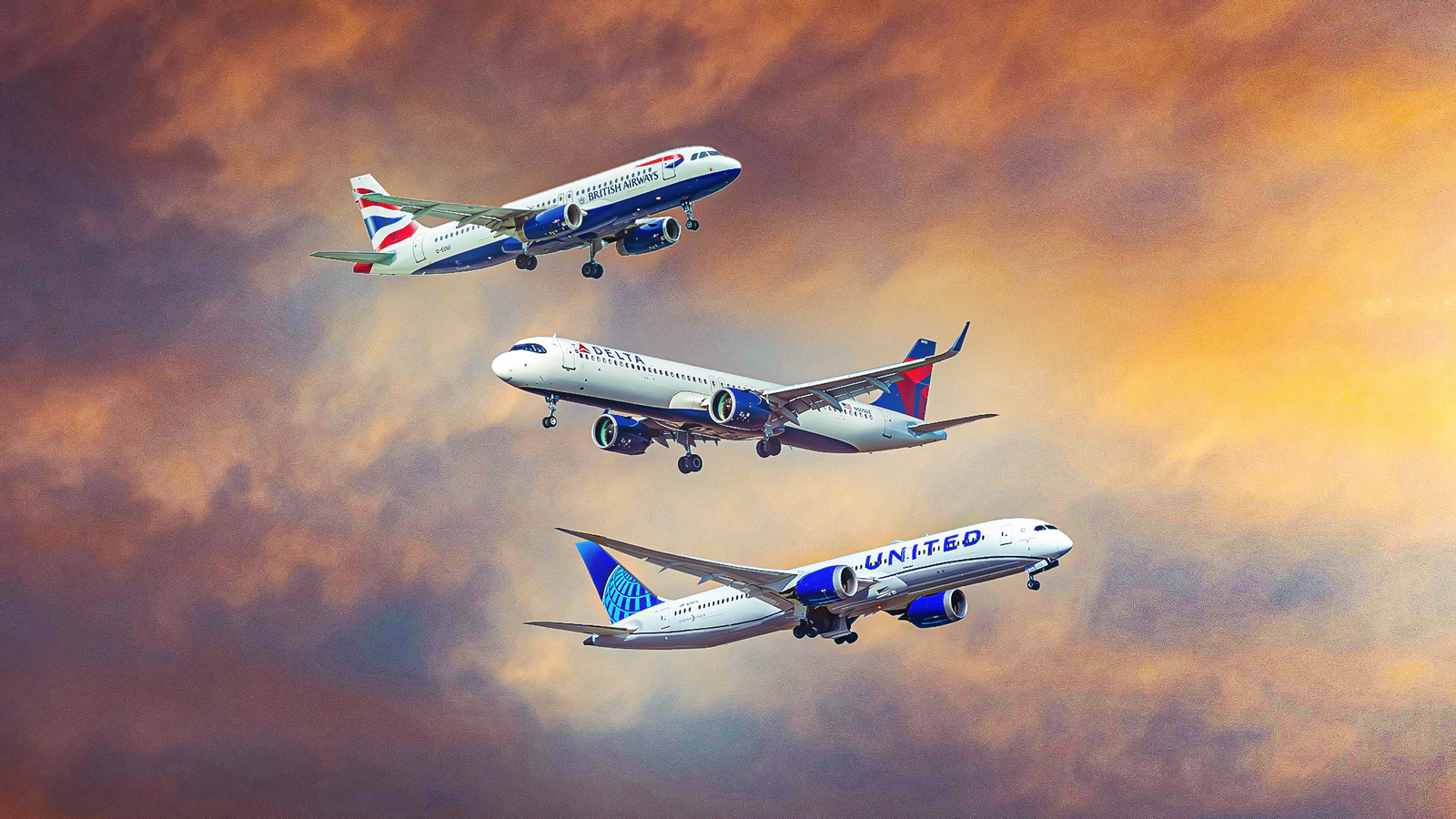
Why do some airlines call themselves “airlines” (or “air lines”) while others call themselves “airways,” and still others call themselves “air”? To some degree, the names reflect different ways of conceptualizing the revolutionary new mode of travel in the skies. At the end of the day, what an airline calls itself is mostly a marketing decision, and these names don’t actually differentiate airline business models or services.
While most modern airlines use the terms airlines, airways, or air, there are many more. Some airlines have names in the languages of their own countries (like  Aer Lingus), while others have adopted a range of other aviation-related English words like wings, express, fly, and jet. Here is what to know about the background of the world’s airlines’ naming.
All About Ships

When a new mode of travel emerges, it typically looks back on previously established modes of transportation to define it. For example, traveling in space is a new form of transportation in need of a new set of vocabulary. In the series Star Trek, this vocabulary is pulled from ships. For example, the commander is the “captain”, while the control room is not called the “flight deck” or “space deck”, but rather by the naval term, the “bridge.”
Spaceships are called, well, spaceSHIPS (instead of spacecraft or spacebuses or something). The key spaceship in the series is the USS Enterprise, with “USS” happening to also be the designation of US Navy ships, and the Enterprise being the most famous US warship of WWII and the name of the 18th-century English explorer Captain James Cook’s famous ship. The fictional character, Captain James T. Kirk, is named after and inspired by Captain Cook.
The same happened with the dawn of trains and aircraft. Trains emerged in the 19th century and pulled their vocabulary from ships, while aircraft emerged in the 20th century and went further. Look at fighter pilots, including those of WWI, and they are dressed nothing like commercial pilots. That’s because Pan Am set the tradition of dressing its pilots in sea captain uniforms to look more professional. Adding to that, Pan Am’s early Clippers were called, well, Clippers after the type of sailing ship. The type of aircraft was called a “flying boat”, not a “seaplane” or “floating airplane” or whatnot.
Origin Of “Airlines”

At one point, ocean travel was the only form of international travel between continents separated by the ocean. The term “line” came to refer to an ocean route between two points, with a “liner” being the ships sailing along said line. As the liner sailed on the ocean, it came to be called an “Ocean Liner.” Soon, companies were established that used “line” in their names, like Black Ball Line and American President Lines.
Train travel emerged later. Trains soon adopted this ocean liner vocabulary, while also using terms from ground transportation. Thus, the train’s rail track became either the railroad or the railway (interchangeable terms). The industry used terms like “main line” and “spur line,” while most train companies chose to use the terms “road” or “way” in their names, like Western Pacific Railroad and Canadian National Railway.
|
Example airlines with “Airlines” in name: |
||
|---|---|---|
|
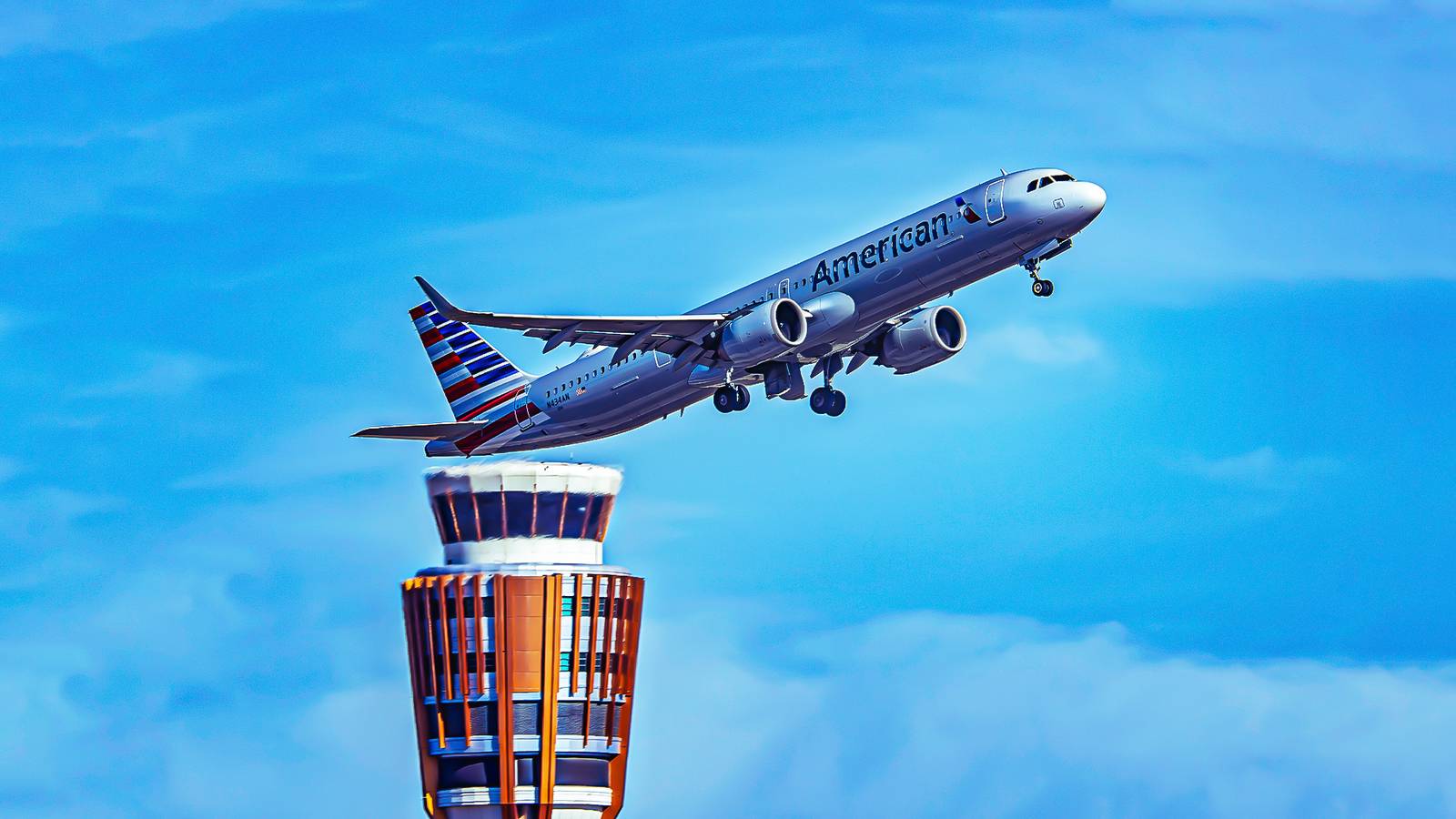
American Airlines |
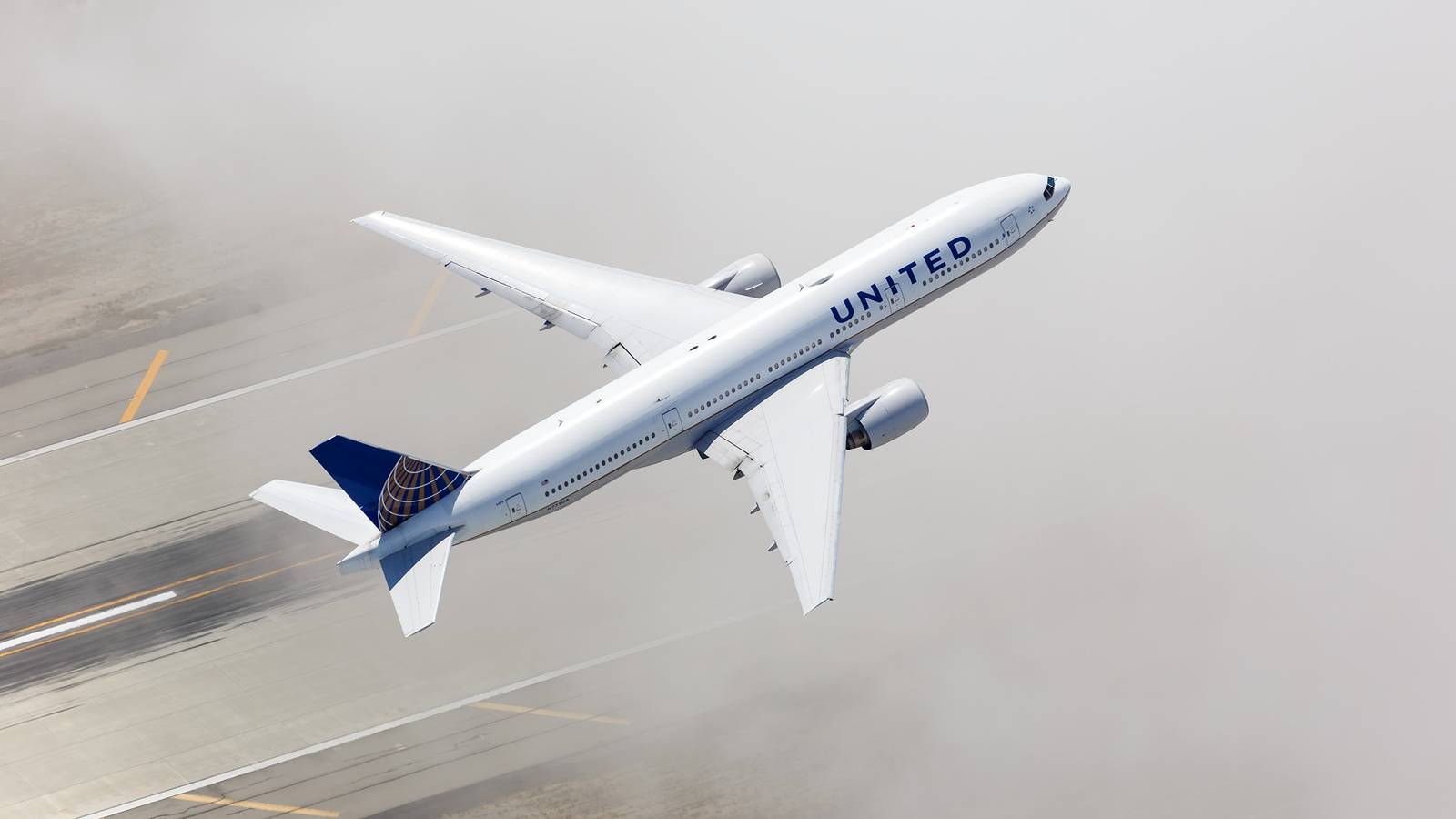
United Airlines |
Southwest Airlines |
|
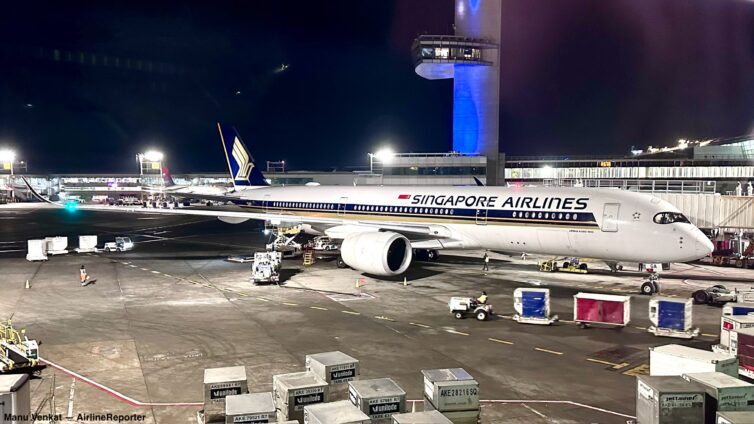
Singapore Airlines |
Frontier Airlines |
Philippine Airlines |
|
Turkish Airlines |
Vietnam Airlines |
Spirit Airlines |
As air travel took off, some companies borrowed from the ocean heritage, while others also borrowed from the rail heritage (which had in turn borrowed from the ocean liner heritage). Some early companies called themselves “air lines” or the alternative spelling “airlines”. Examples include Eastern Air Lines and Delta Air Lines.
Origin Of “Airways”

Some may associate “airways” with a British variant. After all, the British flag carrier is “British Airways” while the leading US carriers are American Airlines, Southwest Airlines, etc. However, this doesn’t stand up to scrutiny. The US has also had airlines called “airways,” like the major carrier, US Airways (which merged into American in 2010), and the new Breeze Airways as well as JetBlue (formally JetBlue Airways).
Airways or air routes refer to the roads or pathways aircraft fly in the sky. They are designated routes that airplanes fly to aid in navigation and help with separation to avoid accidents. “Airways” comes from conceptualizing commercial flights as flying the new roads of the skies. In the United States, it’s more common to say “railroad”, but in Britain, it’s more common to say “railway” and also “roadway.” However, “Railway” is also used in the US, for example, the Kansas City Southern Railway.
|
Example airlines with “Airways” in name: |
||
|---|---|---|
|
British Airways |
Qatar Airways |
Qantas Airways (now simply Qantas) |
|
South African Airways |
US Airways (merged with American) |
Breeze Airways |
|
Eastern Airways |
Cyprus Airways |
Eithad Airways |
As airlines developed, some chose to pull from the “railway” terminology, and called themselves Western Canadian Airways (formed 1926) and Imperial Airways (formed 1924). This was little more than a naming preference and marketing. “Airlines” conjures up the days of ocean liner travel, while “airways” conjures up images of roads in the air. Perhaps the two most famous airlines today, called “airways,” are British Airways and Qatar Airways.
A Matter Of Spelling “Airlines” Vs “Air Lines”

Spelling has long since been somewhat flexible and often ambiguous. The age of the dictionary and computer spell checks has introduced more rigidity into the system, but it remains flexible and changing. Previous to the publications of the American Webster Dictionary and the British Oxford Dictionary, spelling variations now associated with American or British spelling could be found on both sides of the Atlantic. For example, the accepted “American” spelling is “theater”, but old US theaters like Ford’s Theatre in Washington, D.C. (opened 1863) preserve spelling from a time when “theatre” was an accepted American spelling.
It was the same with “air line” and “airline.” Back then, both spellings were acceptable, and there wasn’t yet a standard. More than anything, standards follow consensus. Over time, as more airlines chose to remove the space and call themselves “airline”, “air line” became a more fringe spelling and perhaps somewhat archaic. Airlines, like Japan Air Lines, changed their names to Japan Airlines. It’s worth noting the spelling remains “ocean liner” not “oceanliner”, while the aviation counterpart is “airliner”.
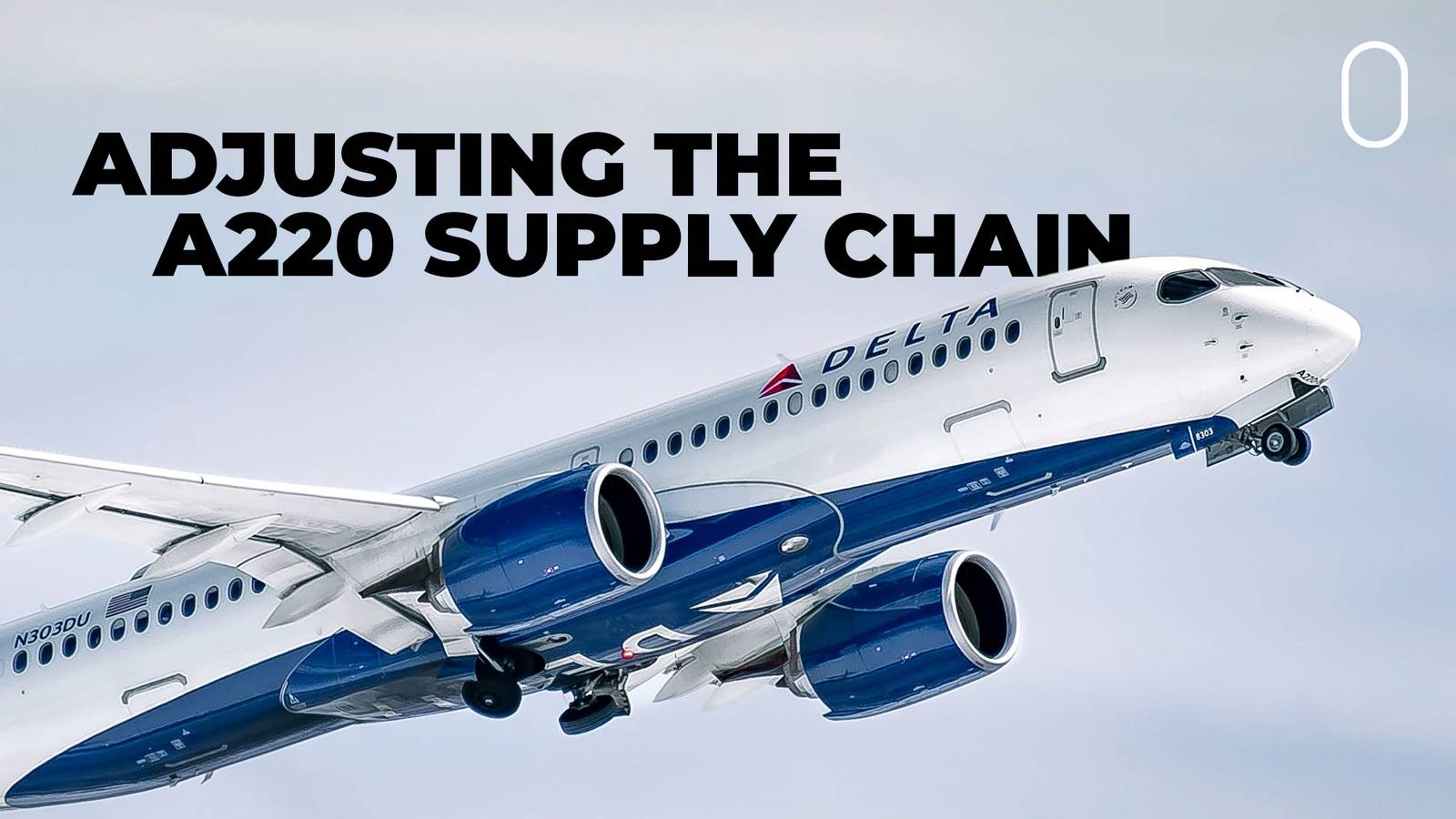
Today, the only major airline to still use the spelling “air lines” is Delta Air Lines. Delta is one of the world’s oldest airlines with a long and proud history stretching back to 1925 and is the oldest airline still operating in the United States. Companies that boast such heritage don’t need to be “modern”; they are original. Delta Air Lines appears to own its now unique spelling. At the end of the day, it comes down to marketing strategy, and preserving the old spelling is another way for the giant to remind people that they are the oldest kid on the block.
But Why “Air”?

“Air” refers to the environment where the airlines operate (as opposed to road or sea). Again, the choice of naming is little more than marketing. Everyone knows what “air” means. Air is an English word that many foreign carriers also choose to use, instead of their local word for air. Examples include Air France, AirAsia, and others.
However, many other foreign airlines do choose to use the word in the language of their home country for “air”. One notable example is the Irish flag carrier, Aer Lingus (which translates to “Air Fleet”). Although the massive ultra-low-cost Irish carrier, Ryanair, uses the English “air” but places it at the end of the word. The Spanish carrier, Vueling, means “flight”.
|
Example non-English aviation-related words |
|
|---|---|
|
Aer (Irish for air) |
Luft (German for air) |
|
Aerolineas (Spanish for airlines) |
Linhas Aereas (Portuguese for airlines) |
|
Aerobus (Spanish for air bus) |
Vueling (Spanish for flight) |
Another example is Lufthansa in German. “Luft” means air, while “Hansa” means guild and refers to the Hanseatic League. It was originally stylized as “Luft Hansa”. Some airlines in the world translate “airlines,” such as Argentina’s Aerolíneas Argentinas. Meanwhile Azul Brazilian Airlines is formally called Azul Linhas Aéreas Brasileiras.
A Matter Of Marketing

In short, airlines’ naming conventions have been pulled from modes of transportation that came before them, notably ocean travel and train travel (which are also borrowed from ocean travel). The use of “air” is a short-handed way to let people know the mode of transportation is airborne. Delta’s “Air Lines” is now a relic of a previous time when it represented an accepted alternative spelling. Today, it reflects the age and heritage of Delta as the oldest airline in the United States.
Ultimately, it’s all a question of marketing. As English is the world’s international language and is the undisputed language of international aviation and international travel, most airlines use English words (mostly “air”, “airline”, or “airways”) in their titles. Many of the world’s airlines that use their own words are old flag carrier airlines whose founding dates from before English had the status it does today. Examples include Aeroflot, Lufthansa, avianca, Aeroméxico, and KLM (which is officially Koninklijke Luchtvaart Maatschappij in Dutch).
Over time, more and more, mostly English, words have become used by airlines to let people know they are operating air-based transportation. The word “fly” is used in flydubai, the word “express” is used in SunExpress”, the word “jet” is used in easyJet, and the word “go” is used in IndiGo, “link” is used in CitiLink, “sky” is in SkyWest, and “wings” is used in Eurowings. Some of these airlines also use “airlines” or “airways” in their names. Admittedly, the French leisure airline “French bee” seems to be a bit outside the naming convention.
#Air #Airlines #Airways #Whats #Difference

Leave a Reply